Blog
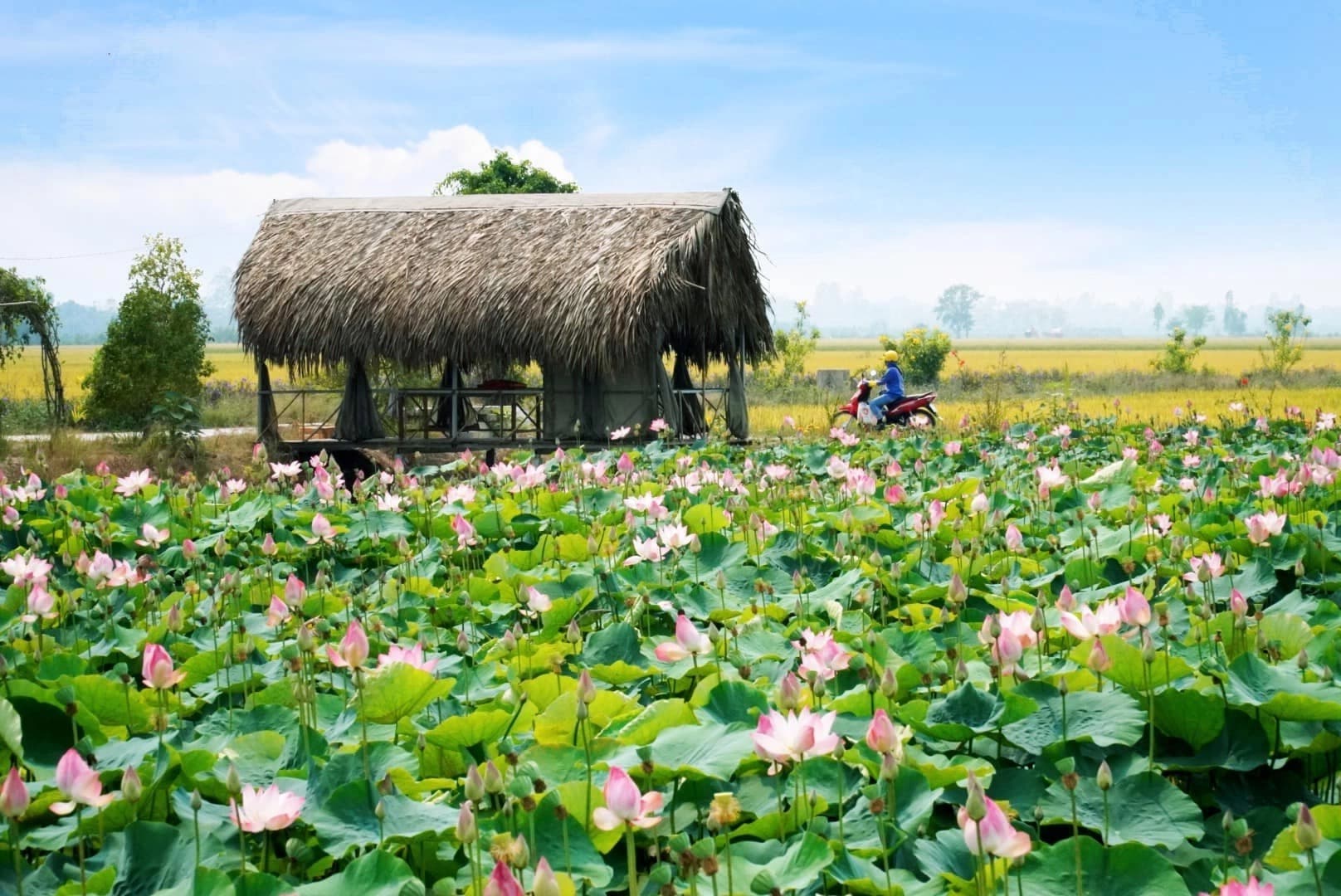
Explore the waterways of the Mekong Delta
Travel to Vietnam1. General Introduction to the Mekong Delta Region
The Mekong Delta – also known as the Cuu Long River Delta – is often likened to a vibrant, multicolored watercolor painting of rivers and canals, where the region’s distinctive culture blends harmoniously with the friendly, laid-back lifestyle of its river-dwelling inhabitants. With an intricate network of waterways and lush fruit orchards that thrive year-round, the Mekong Delta is not only a renowned domestic travel destination but also draws considerable interest from international visitors.

Image source: Internet
2. Floating Markets

Image source: Internet
2.1. Cultural and Commercial Characteristics
Among the most iconic cultural symbols of the Mekong Delta is the floating market – where boats and sampans gather on the river at sunrise. These markets are more than just venues for the exchange of goods (vegetables, roots, fruits, local specialties...); they offer visitors the chance to immerse themselves in the authentic riverine lifestyle and the deep-rooted culture of the Mekong people.
2.2. Notable Floating Markets
-
Cai Rang Floating Market (Can Tho): The largest and most famous floating market in the Delta, where boats primarily trade fruits such as mangoes, jackfruit, and durian. Besides shopping, visitors can enjoy local dishes like bun rieu (crab noodle soup) and coffee served right on the boats.

Image source: Internet
-
Phong Dien Floating Market (Can Tho): Quieter than Cai Rang, this market offers a more peaceful and nature-filled atmosphere. It vividly portrays daily life through scenes of locals rowing their boats and warmly inviting customers to browse their goods.
-
Nga Bay Floating Market (Hau Giang): Distinguished by its location at the confluence of five rivers: Hau Giang, Vi Thuy, Binh Minh, Cai Tac, and Chien Thang. Tourists can easily sense the vibrancy and diversity of riverside commerce here.
3. Riverside Life
3.1. Stilt Houses, Orchards, and the Flow of the River
Riverside life in the Mekong Delta is shaped by stilt houses where families live in harmony with nature. Surrounding these homes are fruit orchards abundant with mangoes, jackfruit, bananas, and rambutans. During harvest season, locals often catch fish in their ponds and row traditional three-plank boats – offering tourists an authentic and hands-on experience.
3.2. Community-Based Tourism
Community-based tourism – a sustainable travel trend – has revitalized many rural villages in the Mekong Delta, improving livelihoods and preserving local culture. Tourists can:
-
Participate in preparing traditional dishes (braised fish, hu tieu, bamboo-cooked rice, etc.)
-
Enjoy performances of don ca tai tu – a nationally recognized intangible cultural heritage.
-
Collaborate with local residents, directly contributing to the community’s economic development.
3.3. Traditional Folk Entertainment
Ecotourism gardens in the Mekong region host various recreational activities such as crocodile fishing, ostrich riding, fruit picking, and rowing – delivering unique and memorable experiences for families and friend groups. Blending nature with cultural heritage, these attractions are truly unmissable highlights.
4. Infrastructure and Services for International Visitors
4.1. Visa and Fast‑Track Services
The government has adopted liberal visa policies to attract international tourists. Fast-track services – especially those offered by your company – provide expedited clearance at airports and border checkpoints, significantly reducing waiting time and enhancing the professionalism and reliability of the arrival process.
4.2. Tourism Infrastructure and Digital Transformation
The government and Vietnam National Administration of Tourism are accelerating digital transformation, enabling tourists to book tours and services online, while also integrating AI and smart platforms. Several provinces in the Mekong Delta have launched mobile applications, destination barcodes, QR-coded audio guides, and digital maps – all of which contribute to a seamless visitor experience.
4.3. Sustainable Development and Resource Protection
Local authorities are working with communities to build eco-agriculture-rural tourism models aimed at protecting the environment and preserving cultural heritage. Fruit orchards serve not only as attractions but also as sources of organic produce, helping to improve living standards and support sustainable practices.
5. Benefits of Using Fast‑Track Services for International Tourists
5.1. Time-Saving and Experience Optimization
For travelers on all-inclusive tours or premium packages, fast-track services significantly reduce immigration processing times – from hours to just minutes. This is an ideal solution for busy travelers, corporate groups, or VIP guests.
5.2. Enhanced Satisfaction
A smooth entry process creates a positive first impression and enhances the overall quality of the trip. Guests can begin their exploration of the Mekong Delta immediately upon landing, with more time to rest and enjoy.
5.3. Safety and Professional Guidance
The service includes multilingual guides, document assistance, and medical checks (if necessary), ensuring peace of mind and reducing risks such as administrative errors, lost luggage, or cultural misunderstandings.
Conclusion
The Mekong Delta - with its iconic floating markets, simple yet charming riverside life, don ca tai tu musical performances, and lush orchards – offers an enriching and worthwhile journey for international visitors. Combined with professional fast-track immigration services, travel time is optimized, tour quality is elevated, and cultural preservation as well as community development are fostered. Contact us today for more detailed consultation on our services.