Blog
Sapa or Da Lat: Which Mountain Retreat Suits You Best?
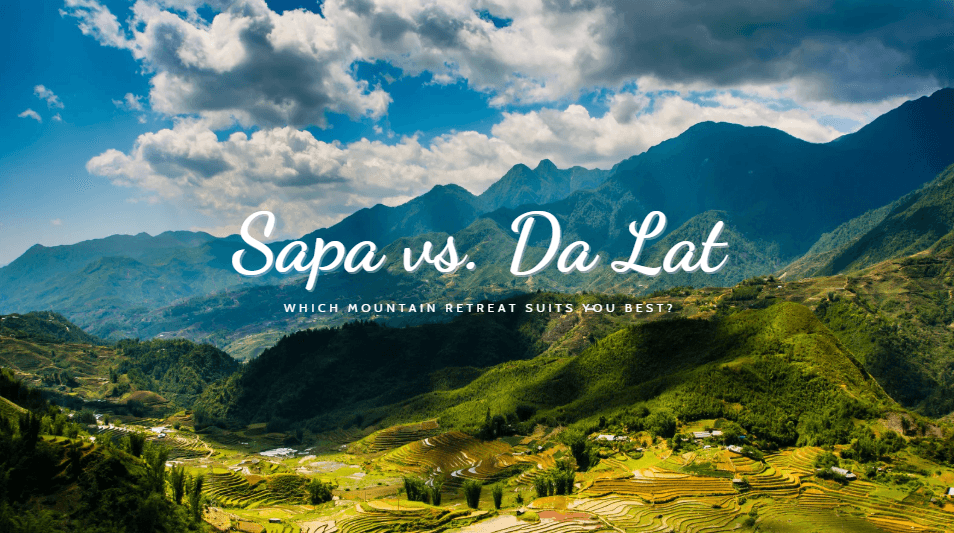
Travel to VietnamVietnam boasts two prominent mountain destinations: Sapa in the Northwest and Da Lat on the Lam Vien Plateau in the South Central Highlands. Each location offers its own unique charm, from climate and landscapes to culture and cuisine. This article provides a detailed comparison of various aspects to help answer the question: “Sapa or Da Lat - which is the ideal mountain retreat for you?”

Image source: Internet
1. Location & Travel Routes
1.1 Sapa
Location: Sapa Town, Lao Cai Province, approximately 320 km northwest of Hanoi.
Transportation:
-
Overnight trains from Hanoi to Lao Cai, followed by a 35 km bus/taxi ride to Sapa.
-
Direct sleeper buses/limousines from Hanoi (approx. VND 220,000-350,000/one-way).
-
Motorbikes for adventurous travelers steep, winding routes.
1.2 Da Lat
Location: Da Lat City, Lam Dong Province, located ~300 km north of Ho Chi Minh City, in the Central Highlands.
Transportation:
-
Flights to Lien Khuong Airport + shuttle service (~40 km to city center).
-
Sleeper buses from Ho Chi Minh City, Da Nang, Nha Trang.
-
Motorbike: a renowned route for scenic road trips with breathtaking views along the way.
2. Climate & Ideal Visiting Time
2.1 Sapa
Climate: Highland temperate climate, cool year-round; visitors can experience all four seasons in a single day.
Best seasons to visit:
-
Spring - Summer: lush greenery, clear skies, ideal for trekking.
-
Late Autumn (Sept-Oct): brilliant golden terraced rice fields.
-
Winter: cold, possible frostperfect for authentic highland experiences.
2.2 Da Lat
Climate: Highland temperate climate, with stable temperatures ranging from 18-25 °C year-round.
Best seasons: Suitable for tourism all year thanks to its pleasant weather.
Note: Mornings and evenings can be chilly; bring a light jacket.
3. Natural Landscapes & Experiences
3.1 Sapa
Highlights:
-
Mount Fansipan (3,143 m - the "Roof of Indochina"), accessible via trekking or cable car.

Image source: Internet
-
O Quy Ho Pass - one of the "Four Great Passes" for cloud hunting.

Image source: Internet
-
Muong Hoa Valley, Cat Cat Village, Ta Van/Ta Phin Village, Ham Rong Mountain, Silver Waterfall, Love Waterfall.

Image source: Internet
Activities: Trekking through ethnic villages, cloud hunting, admiring terraced rice fields, exploring indigenous culture.
3.2 Da Lat
Highlights:
-
Valley of Love - romantic setting with wooden trains, maze gardens, and love lock bridges.

Image source: Internet
-
Cau Dat Tea Hills - vast, scenic tea plantations.

Image source: Internet
-
Datanla, Elephant, and Pongour Waterfalls.

Image source: Internet
-
Da Lat Railway Station - unique French colonial architecture and cog railway.

Image source: Internet
-
Eco-tourism parks, pine forests, flower gardens, cafés and pavilions with hill/mountain views.

Image source: Internet
Activities: Biking around the city, café hopping, visiting flower gardens, taking photos.
4. Culture, People & Cuisine
4.1 Sapa
Culture:
-
Ethnic minorities such as H’Mong, Dao, and Giay with rich traditions and handwoven brocade garments.
-
Highland markets, traditional dances, festivals (e.g., Spring Ploughing Festival).
-
French colonial remnants: Stone Church (built in 1895), Sun Plaza, colonial villas.

Image source: Internet
Cuisine:
-
Thang Co (ethnic stew), “carried-under-arm” pigs, stream fish, forest vegetables, corn wine.
-
Deeply flavored highland cuisine.
4.2 Da Lat
Culture:
-
Lacks distinct ethnic tribal presence; heavily influenced by French culture.
-
European architecture, flower gardens, Da Lat Market, Flower Festival.
Cuisine:
-
Local specialties such as Banh Can, grilled rice paper, grilled beef skewers, soy milk, fruit teas/preserves.
-
Diverse café culture, with an emphasis on picturesque "Instagrammable" spots.
5. Accommodation & Services
5.1 Sapa
Accommodation: From luxury resorts to local homestays in ethnic villages.
Pros: Authentic stilt-house stays, premium resorts with views of rice fields/clouds.
Cons: Narrow roads, some lodgings distant from the town center.
5.2 Da Lat
Accommodation: Wide varietyfrom villas and boutique hotels to eco-homestays.
Pros: Easy transportation, family/couple-friendly, many options near the city center.
Cons: Very crowded during peak seasons; prices may surge.
6. Suggested 3-Day Itinerary
3 Days 2 Nights in Sapa:
-
Day 1: Travel from Hanoi → Arrive in Sapa → Visit Stone Church/Sun Plaza → Enjoy night market.
-
Day 2: Trek through Cat Cat/Lao Chai/Muong Hoa Villages + Visit Silver/Love Waterfall.
-
Day 3: Cable car or trek to Mount Fansipan → Return in the afternoon.
3 Days 2 Nights in Da Lat:
-
Day 1: Fly to Lien Khuong Airport → Hotel check-in → Visit Flower Garden, Da Lat Market.
-
Day 2: Explore Cau Dat Tea Hills, Valley of Love, and Instagram-worthy cafés.
-
Day 3: Visit Datanla/Elephant/Pongour Waterfalls + Da Lat Railway Station → Return to Ho Chi Minh City.
Conclusion
There is no single "best" optionit all depends on your preferences, travel goals, and companions.
- If you're an adventurous soul who seeks inspiration from pristine nature, choose Sapa.
- If you love peace, creativity, photo-worthy moments, and accessible environments, Da Lat is your ideal choice.
And if you'd like to experience both, why not plan a dual trip to Sapa and Da Lat? Each destination offers completely different emotional flavors and leaves behind unforgettable memories. Vietnam Sky Service proudly provides premium airport services such as fast track, private transfers, and all-inclusive tours. Contact us now for detailed consultation and wholehearted support.