
Many first-time visitors to Hanoi may feel slightly overwhelmed by the city's dense motorbike traffic and the narrow, crowded streets of the Old Quarter. However, after spending a day or two getting familiar with the local rhythm, Hanoi quickly becomes a charming and welcoming city that many travelers find hard to leave. To help you enjoy a smoother first trip, this guide covers everything you need to know before going to Hanoi.
How Many Days Should You Spend Exploring Hanoi?
Unlike destinations that require several days to visit countless attractions, Hanoi attracts visitors through slower and more immersive experiences. A morning walk around Hoan Kiem Lake, a stroll through the Old Quarter, a meal at a small local eatery, or a quiet afternoon by West Lake can already reveal the unique rhythm of this thousand-year-old city.
For first-time visitors, 2–3 days is usually enough to experience the highlights of Hanoi. A typical itinerary can include the Old Quarter, Hoan Kiem Lake, the Temple of Literature, the Ba Dinh historical area, as well as local food experiences such as pho, bun cha, and egg coffee.
If you have more time, spending 4–5 days allows you to explore Hanoi at a slower pace — discovering less crowded neighborhoods, trying local restaurants, or simply observing the everyday life of the capital’s residents.
When Is the Best Time to Go to Hanoi?
Hanoi has a different charm in every season, but the most popular times to visit are generally autumn (around September–November) and spring (around March–April), when the weather is comfortable, neither too hot nor too cold.
Autumn is often considered the most beautiful season in Hanoi, with clear skies, gentle sunlight, cool breezes, and the subtle scent of hoa sua (milk flower) drifting through the streets. It is also an ideal time to walk around the Old Quarter, Hoan Kiem Lake, or explore the city’s historic corners.
Spring brings a softer atmosphere, with warmer weather, blooming trees, and flowers adding new colors to the streets. It is also a good season to visit Hanoi’s cultural and historical sites.
Summer in Hanoi is usually hot with occasional heavy rainfall, while winter can become quite cold, especially toward the end of the year. However, each season offers a different way to experience the city.
How to Get to Hanoi City Center from Noi Bai Airport
Most international visitors arrive in Hanoi through Noi Bai International Airport, located around 30–35 km from central areas such as the Old Quarter and Hoan Kiem Lake. The journey from the airport to the city usually takes around 45 minutes to over an hour, depending on traffic conditions and travel time.
After leaving the terminal, visitors can choose from several transportation options:

-
Ride-hailing apps (Grab, Xanh SM, Be...) or taxis: This is one of the most popular choices thanks to its convenience and easy booking process. Fares usually range from around 150,000–350,000 VND depending on the vehicle type, booking time, and traffic conditions.
-
Airport buses: Routes such as 86, 07, and 68 offer a more affordable option, suitable for solo travelers or those with lighter luggage. However, travel time is usually longer.
-
Private airport transfer: For first-time visitors, families, larger groups, or travelers arriving after a long international flight, a private airport transfer provides a more comfortable option. Your driver will be waiting at the airport and take you directly to your hotel or destination.
At Vietnam SkyService (VSS), Hanoi Airport Transfer provides private vehicles with professional drivers for routes from Noi Bai Airport to hotels, resorts, offices, and destinations across the city. Guests can choose from a variety of vehicle options depending on the number of passengers and travel requirements.
Where Should You Stay in Hanoi?
Hanoi offers a wide range of accommodation options, each providing a different experience. For first-time visitors, the Old Quarter and areas around Hoan Kiem Lake are usually the most convenient choices. Located in the heart of the city, this area is close to major attractions, local restaurants, cafés, and streets that preserve the traditional character of old Hanoi.
Staying here allows visitors to easily explore the city on foot, discover small streets, try local street food, walk around Hoan Kiem Lake in the morning, or experience the lively atmosphere of the weekend walking streets at night. However, because of its central location and convenience for sightseeing, accommodation prices in this area are often higher compared with neighborhoods farther from the city center.
For travelers looking for a quieter atmosphere, West Lake (Ho Tay) is a great alternative. The area offers a slower pace of life, with lakeside cafés, restaurants, and more open spaces. Accommodation options here are also diverse, making it suitable for longer stays or travelers seeking a more relaxing environment. However, the trade-off is that you will need more time to travel to the Old Quarter and other major attractions.
Hanoi's Best Places to Go
Hanoi is not only remembered for its historic landmarks and famous attractions, but also for its everyday experiences: a morning walk around Hoan Kiem Lake, a street vendor on a small alley, the sound of vendors calling out on the sidewalk, or cafés hidden inside old houses.
Hoan Kiem Lake and Ngoc Son Temple
Located in the heart of the city, Hoan Kiem Lake is a rare green space amid Hanoi’s lively urban rhythm. It is a favorite place for locals to walk, exercise in the morning, or relax in the afternoon.
A walk around the lake allows visitors to stop by Ngoc Son Temple via the iconic red Huc Bridge, admire the Turtle Tower standing in the middle of the water, and experience the contrast between Hanoi’s historic atmosphere and modern city life.

The Old Quarter
The Old Quarter is where Hanoi’s traditional rhythm is best preserved, with narrow streets, old houses, and small shops lined closely together. Historically known as the “36 Streets,” each street was associated with a particular craft or trade, such as Hang Ma, Hang Bac, and Hang Gai.
The best way to explore the Old Quarter is to walk without following a fixed route. One corner may lead to a traditional handicraft shop, a small alley may reveal a long-established local eatery, or an old house may still retain its quiet charm despite the busy traffic outside.
Ho Chi Minh Mausoleum Complex
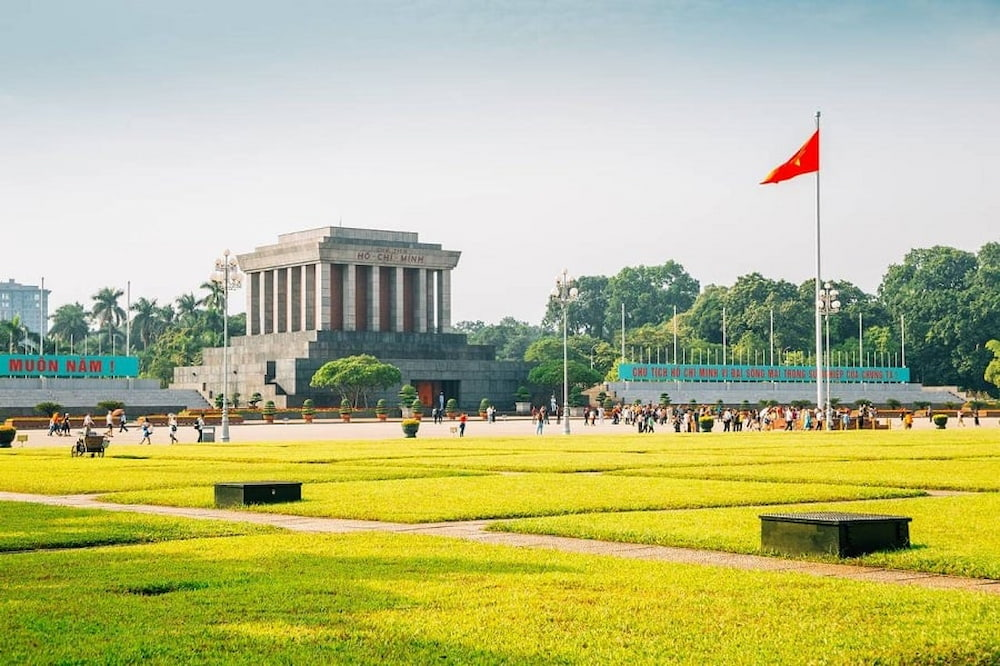
Located in Ba Dinh Square, the complex includes the Ho Chi Minh Mausoleum, Ho Chi Minh Museum, Presidential Palace, and Ho Chi Minh’s Stilt House.
This is one of the most significant historical and cultural sites in Vietnam. The area around Ba Dinh Square has a solemn atmosphere, offering a sharp contrast to the lively streets in other parts of central Hanoi.
Visitors should dress respectfully, maintain appropriate behavior, and follow the regulations when visiting the mausoleum area.
Temple of Literature
Built in 1070 during the Ly Dynasty, the Temple of Literature was Vietnam’s first national university and remains one of the most important symbols of the country’s tradition of learning.
Inside the complex, visitors will find ancient trees, ponds, courtyards, and stone stelae housed beneath traditional roofs. Amid Hanoi’s constantly moving city life, the Temple of Literature offers a rare peaceful space where visitors can experience the historical depth of the capital.
West Lake (Ho Tay)
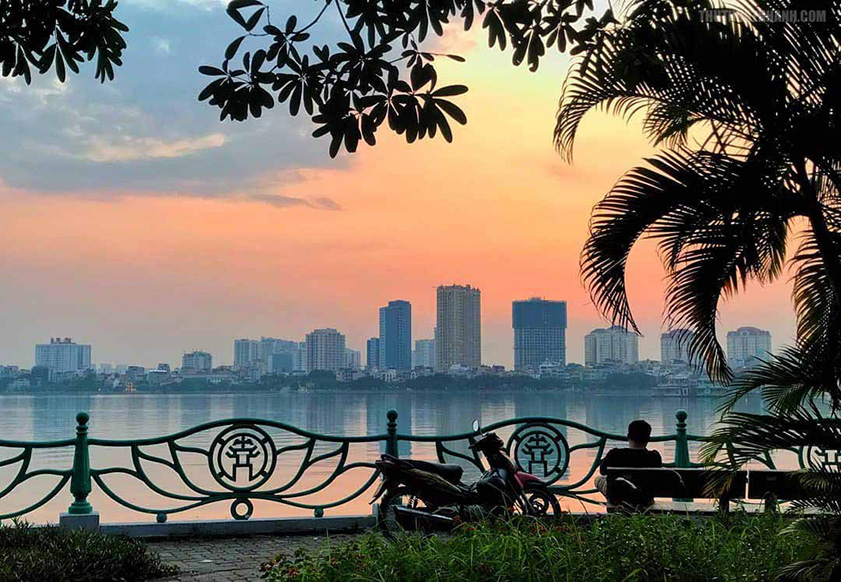
While Hoan Kiem Lake represents the rhythm of central Hanoi, West Lake offers a slower and more spacious atmosphere. The area around the lake is filled with cafés, restaurants, and lakeside roads that are ideal for morning walks or sunset views.
Located on a small island in the eastern part of West Lake, Tran Quoc Pagoda is one of Hanoi’s oldest temples, known for its distinctive architecture and beautiful scenery, especially in the late afternoon.
Watch a Water Puppet Show
Water puppetry is a traditional Vietnamese folk art with a history of hundreds of years, originating from the daily life of people in the Red River Delta.
In Hanoi, the Thang Long Water Puppet Theatre is a popular destination for visitors who want to explore Vietnamese culture through performances combining traditional music, folk stories, and the unique art of controlling puppets on water.
Ta Hien Beer Street
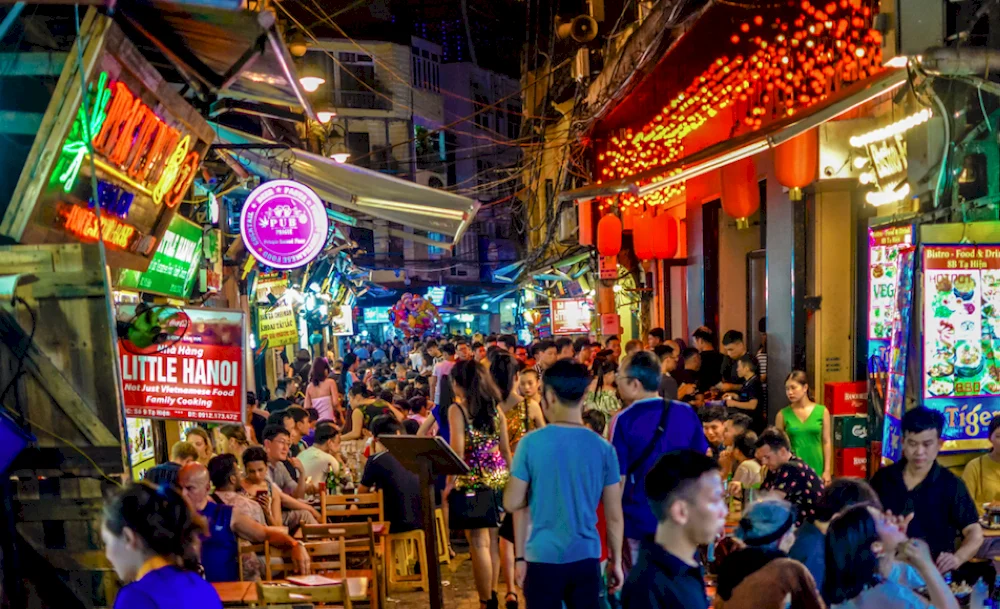
When night falls, a different side of Hanoi appears around Ta Hien Street, Luong Ngoc Quyen Street, and the surrounding Old Quarter area. Small plastic chairs on sidewalks, conversations between diners, and brightly lit street stalls create a lively atmosphere unique to the city.
This is a popular place for visitors who want to experience Hanoi’s nightlife. However, if you prefer a quieter perspective of the city, smaller cafés and local bars hidden along nearby streets are also worth exploring.
Must-Try Food in Hanoi
Hanoi’s cuisine is closely connected with small street-side eateries and familiar dishes prepared in the unique style of the local people. Visitors can easily find traditional dishes throughout the city, from early morning breakfast spots to lively evening streets.
-
Pho: One of Hanoi’s most iconic dishes, featuring clear broth simmered from bones for hours, soft rice noodles, thinly sliced beef or chicken, and fresh herbs. A warm bowl of pho in the morning is a familiar experience for many Hanoi residents.
-
Bun Cha: A signature Hanoi dish made with grilled pork cooked over charcoal, rice vermicelli, sweet and sour dipping sauce, and fresh herbs. The balance between the rich flavor of grilled meat and the refreshing taste of the dipping sauce makes it a favorite among many visitors.
-
Banh Mi: A combination of French culinary influence and Vietnamese creativity. Crispy bread filled with ingredients such as meat, pate, Vietnamese sausage, herbs, and sauce creates a convenient and flavorful street food experience.
-
Egg Coffee: A unique part of Hanoi’s coffee culture, featuring whipped egg cream blended with strong Vietnamese coffee. Long-established cafés such as Café Giang are popular destinations for visitors who want to try this distinctive drink.
-
Bia Hoi: An essential part of Hanoi’s nightlife. Small beer stalls with simple tables and chairs along the sidewalks, especially around Ta Hien Street, offer visitors a closer look at local life when the city lights come on.

Recommended Destinations to Visit from Hanoi
Hanoi is not only a destination itself but also a convenient starting point for exploring many famous attractions in Northern Vietnam. From the capital, visitors can easily take day trips or plan longer journeys to destinations with unique landscapes and cultural experiences.
-
Ha Long Bay: Located a few hours from Hanoi, Ha Long Bay is famous for its thousands of limestone islands rising from emerald waters and is recognized as a UNESCO World Heritage Site. Visitors can join a day tour, but if time allows, a 2-day 1-night cruise offers a more complete experience.
-
Ninh Binh: Often described by travelers as “Ha Long Bay on land,” Ninh Binh impresses visitors with limestone mountains, winding rivers, and peaceful countryside scenery. It is an excellent option for a day trip from Hanoi, with highlights including Trang An, Tam Coc, and Bai Dinh Pagoda.
-
Sapa and Ha Giang: These mountainous destinations are better suited for travelers with more time. Sapa is known for terraced rice fields, cooler weather, and ethnic minority cultures, while Ha Giang is famous for dramatic mountain passes and spectacular landscapes. Due to the longer travel distance, visitors usually need several days and overnight stays.
At Vietnam SkyService, our private car with driver service is suitable for journeys from Hanoi to Ha Long Bay, Ninh Binh, Sapa, Ha Giang, and other destinations, allowing travelers to enjoy a more flexible schedule and a more comfortable journey.
Practical Tips Before Visiting Hanoi
Besides planning your sightseeing itinerary, a few simple preparations can make it easier to adjust to daily life in Hanoi, from payments and internet access to getting around the city.
-
Cash: Although bank cards and digital payments are becoming increasingly common, many small shops, street food stalls, and some public transportation services in Hanoi still prefer cash. It is a good idea to carry some Vietnamese dong (VND) for local purchases and everyday expenses.
-
SIM/eSIM: Consider setting up a SIM or eSIM as soon as you arrive in Hanoi so you can easily use maps, book ride-hailing services, search for information, and stay connected throughout your trip. Having internet access from the start is especially useful for first-time visitors to Vietnam.
-
Crossing the street in Hanoi: Hanoi’s traffic can feel unfamiliar to first-time visitors because of the large number of motorbikes and the continuous flow of vehicles. When crossing the street, walk slowly and at a steady pace, and avoid stopping suddenly so drivers can adjust their path around you.
-
Visa and entry documents: Before booking your flight, check the latest visa or e-visa requirements for your nationality through official sources. Entry regulations may change over time, so it is important to confirm the latest information before traveling.
-
Travel insurance: Travel insurance is worth considering, especially if you plan to take longer trips, join outdoor activities, or explore mountainous areas in Northern Vietnam.
Conclusion
First-time visitors to Hanoi may need a little time to get used to the crowded streets, constant motorbike traffic, and fast-moving rhythm of the city. With the practical tips in this Hanoi Travel Guide for First-Time Visitors, you can explore the capital with greater confidence and make the most of your trip. The more you discover, the more familiar Hanoi begins to feel through its simple everyday moments — local food, conversations along the sidewalk, and the warm hospitality of its people.