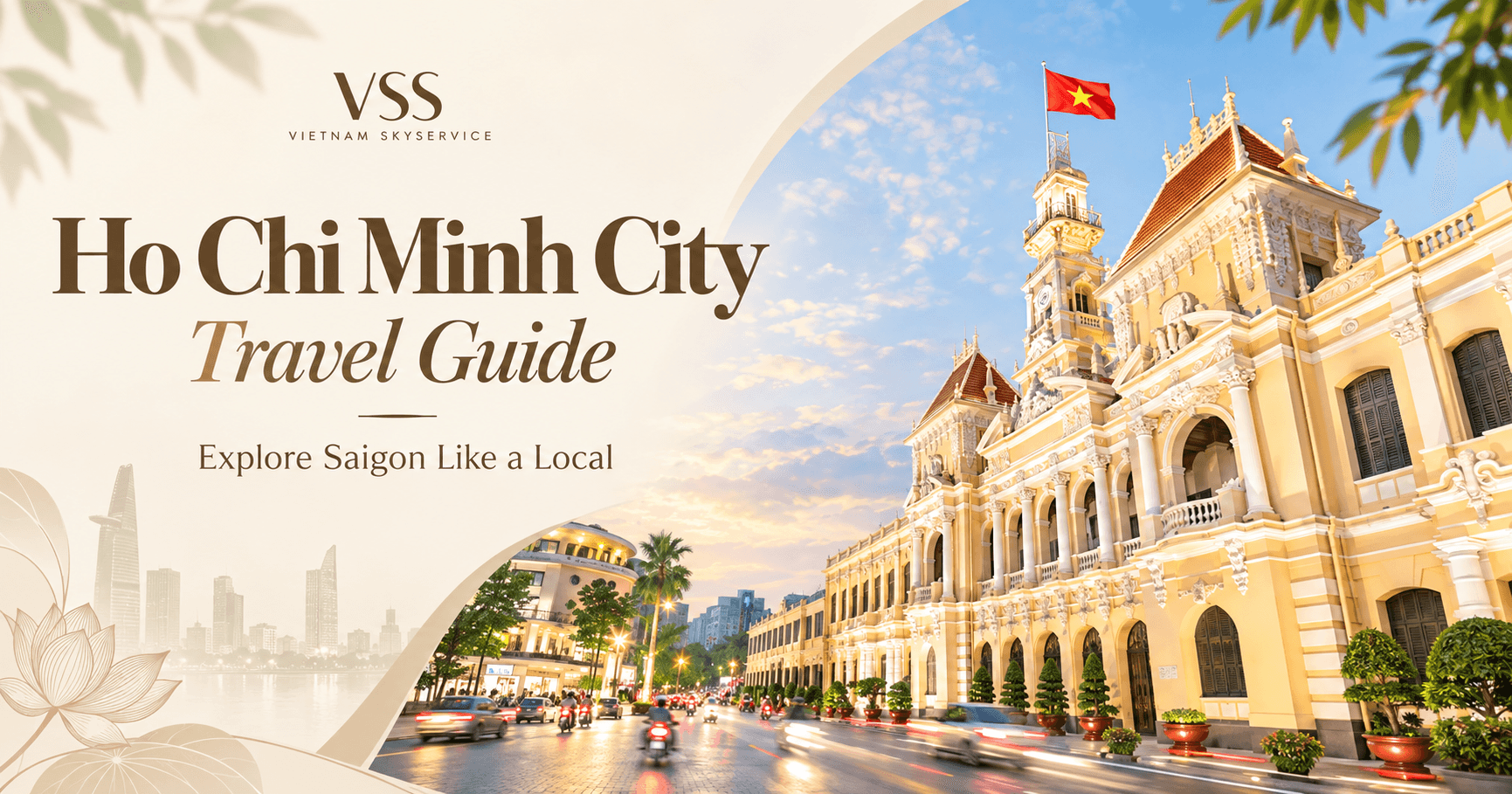
For first-time visitors, Saigon can feel a little overwhelming. The city moves fast, the roads are busy, small alleys seem to lead in every direction, and there are almost endless choices when it comes to food, coffee and things to do. But once you know where to stay, how to get around and which parts of the city are worth your time, Ho Chi Minh City is much easier to explore than it first appears. This Ho Chi Minh City travel guide is written from a local point of view, with practical tips and some of the experiences we think are most worth trying on your first trip.
Are Saigon and Ho Chi Minh City the Same Place?
Yes. Saigon and Ho Chi Minh City refer to the same city. Saigon was the city's common name before 1976. After Vietnam was reunified, the National Assembly officially renamed Saigon - Gia Dinh as Ho Chi Minh City on July 2, 1976.
Today, Ho Chi Minh City is the official name used for addresses, government documents and other formal purposes. But the name Saigon is still very much part of everyday life. Locals use it when talking about food, culture, old neighbourhoods and the city itself.
So don't worry too much about which name to use. Whether you say "Saigon" or "Ho Chi Minh City", people will know exactly where you mean.
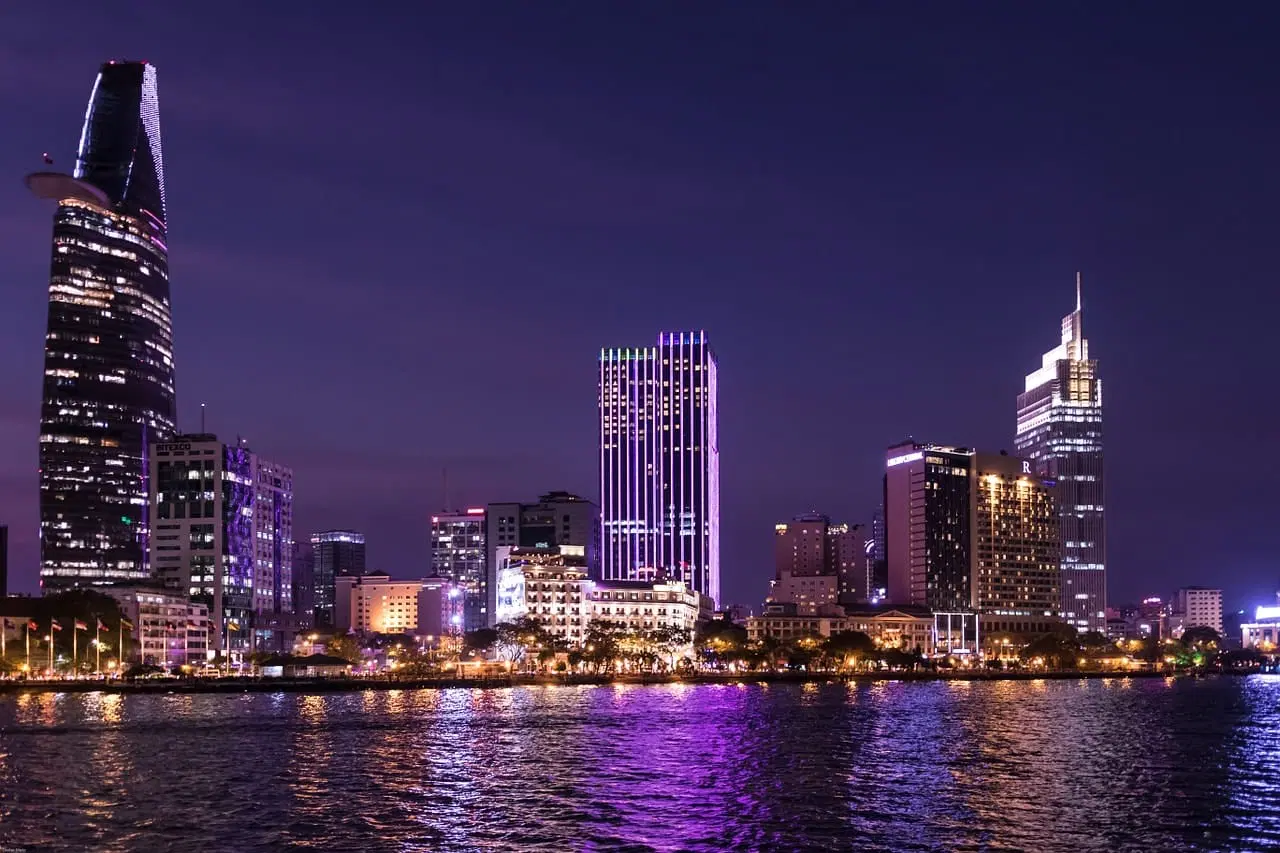
Where to Stay in Ho Chi Minh City for Your First Visit
If this is your first time in Ho Chi Minh City, staying close to the center is usually worth paying a little more for. The city is large, traffic can get very busy, and a short distance on the map can sometimes take much longer than expected during rush hour.
-
District 1 is the easiest choice for most first-time visitors. Ben Thanh Market, Independence Palace, Notre-Dame Cathedral, Saigon Central Post Office, Nguyen Hue Walking Street and many restaurants and nightlife spots are all here or nearby. If you only have two or three days in the city, staying in District 1 can save a lot of travel time.
-
If you want to stay close to the center but somewhere a little quieter, District 3 is a good option. The area has plenty of long-running local restaurants, small cafés hidden down alleys and tree-lined streets. It feels calmer than central District 1 while still being only a short ride from the main sights.
-
A little farther out, Thao Dien is known for its cafés, restaurants and modern lifestyle spaces. It is a good area for travelers who prefer a more relaxed neighbourhood and want to spend more time eating, having coffee and enjoying the area rather than rushing between attractions.
For a short first trip, District 1 is still the most convenient. District 3 gives you a nice balance between location and local life, while Thao Dien works better if you prefer a slower stay away from the busiest part of downtown.
How to Get Around Ho Chi Minh City
There are plenty of ways to get around Ho Chi Minh City, although traffic can be heavy, especially during rush hour. If it is your first visit, you do not need to rent a motorbike unless you are already comfortable riding in busy city traffic. Here are the easiest options:
-
Ride-hailing apps: Grab, Xanh SM and Be are widely used around the city. The price is shown before you book, which makes them easy and convenient for visitors.
-
Traditional taxis: Vinasun, Mai Linh and other taxi companies are easy to find at the airport, hotels, shopping malls and tourist areas.
-
Metro: Metro Line 1 runs from Ben Thanh to Suoi Tien and connects the city center with the eastern side of Ho Chi Minh City. It can be useful if you are heading towards areas such as Thao Dien, Thu Duc or Suoi Tien.
-
Private car with driver: This is a good choice for families, larger groups, travelers with a lot of luggage or anyone planning to visit several places in one day. Instead of booking a new ride every time you move, you have a car ready when you need it.
The metro does not currently run directly to Tan Son Nhat International Airport. From the airport, most visitors continue into the city by taxi, ride-hailing app or a pre-booked airport transfer.
If you would rather not search for a ride after a long flight, Vietnam SkyService (VSS) offers private airport pickup and drop-off, with a driver waiting based on your flight details. You can also hire a private car by the hour or by the day, with vehicle options for solo travelers, families and groups.
Book Your Private Car in Ho Chi Minh City
Must-See Places in Ho Chi Minh City
Ho Chi Minh City is not just about high-rise buildings and shopping malls. There is plenty of history, local street life, Chinese-Vietnamese culture and riverside scenery to discover, even if you only have a few days.
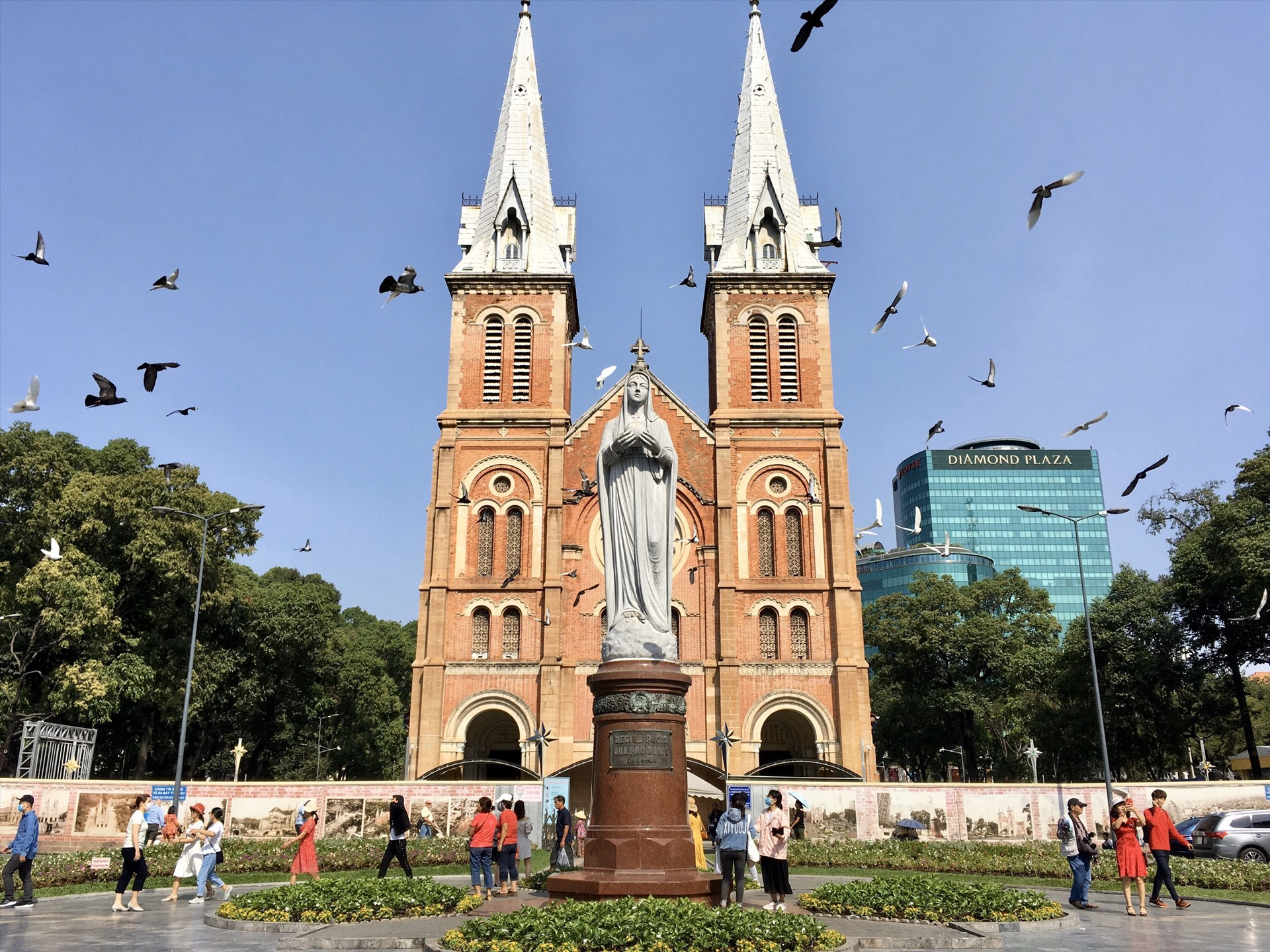
Notre-Dame Cathedral Basilica of Saigon
Located on Paris Commune Square, Notre-Dame Cathedral is one of the best-known landmarks in central Ho Chi Minh City. Built between 1877 and 1880, the cathedral combines Romanesque and Gothic styles, with two bell towers that are easy to spot from around the area.
The cathedral has been under restoration for a long time, so visitors can currently take photos from outside but cannot go inside for sightseeing.
Saigon Central Post Office
Just a few steps from Notre-Dame Cathedral is Saigon Central Post Office. It is still a working post office, which makes it a little more interesting than simply visiting an old building. Inside, you will find high ceilings, large arches, old-style counters and many original architectural details.
It is easy to visit the Post Office, Notre-Dame Cathedral and Nguyen Van Binh Book Street in the same walk.
Independence Palace
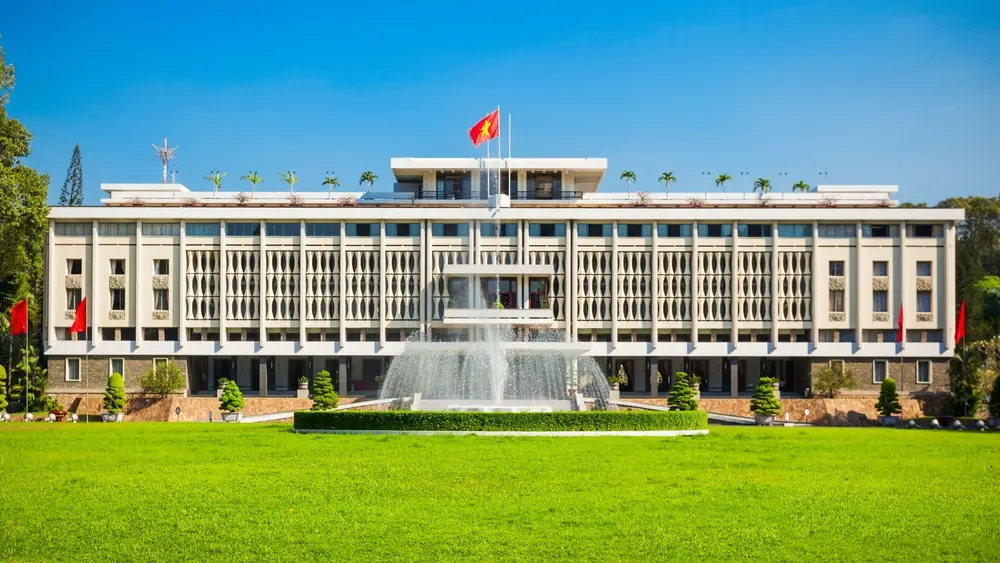
Independence Palace, also known as Reunification Hall, is one of the city's most important historical sites. Inside, visitors can walk through former meeting rooms, reception halls, offices and the basement, where many original objects and displays remain.
The large grounds and rows of trees also make the palace feel surprisingly calm compared with the busy roads just outside.
War Remnants Museum
The War Remnants Museum is worth visiting if you want to learn more about the Vietnam War and its impact. The museum has a large collection of photographs, documents and wartime objects. Some parts of the exhibition contain strong and graphic images, so families with young children may want to keep this in mind before visiting.
Ben Thanh Market
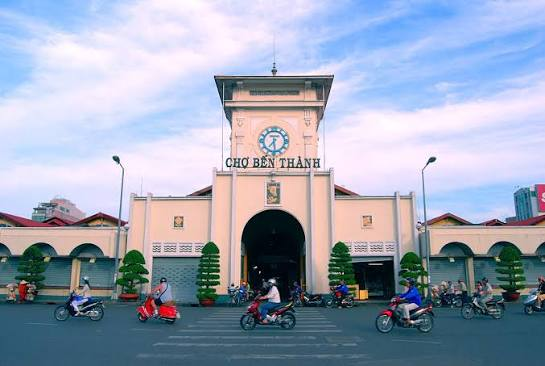
Ben Thanh Market is one of the most famous places in Ho Chi Minh City and often one of the first stops for new visitors. Inside, you will find food, spices, dried goods, clothes, handicrafts, souvenirs and local dishes all under one roof.
It is a good place to walk around, grab something to eat or pick up a few gifts. If a stall does not show fixed prices, ask before buying and feel free to bargain politely.
Nguyen Hue Walking Street
Nguyen Hue Walking Street is at its best from late afternoon into the evening, especially on weekends. Locals and visitors come here to walk, take photos, meet friends and stop at nearby cafés and restaurants.
From Nguyen Hue, you can continue towards Bach Dang Wharf for some fresh air and a view of the Saigon River at night.
The Cafe Apartment at 42 Nguyen Hue
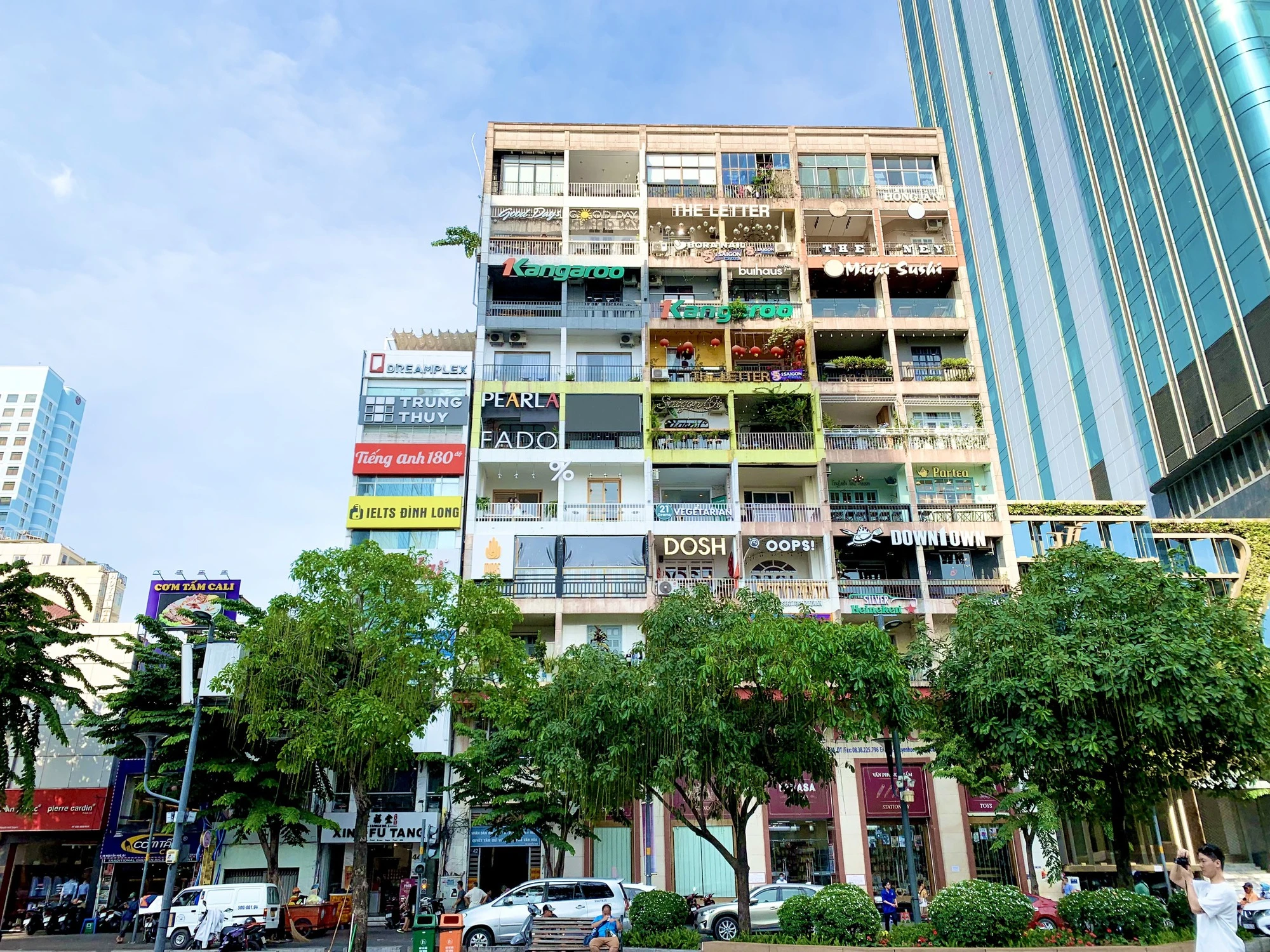
Right next to the walking street, 42 Nguyen Hue has become one of the most recognisable buildings in the area. The old apartment building now has cafés, small fashion shops and other businesses spread across several floors. From across the street, its mix of balconies, lights and signs gives it a look unlike any other building nearby.
Head upstairs, find a café near a balcony and watch Nguyen Hue Walking Street from above.
Cho Lon
If central Ho Chi Minh City feels modern and fast-paced, Cho Lon shows you a very different side of the city. This area has long been home to a large Chinese-Vietnamese community and is filled with traditional markets, temples, assembly halls and local restaurants.
Binh Tay Market and Ba Thien Hau Temple are two popular places to start. If you have time, spend half a day walking around the streets, visiting the market and trying a few Chinese-Vietnamese dishes. It is one of the easiest ways to see how culturally varied Ho Chi Minh City really is.
Must-Try Food in Ho Chi Minh City
Food is one of the main reasons people fall in love with Saigon. Because people from all over Vietnam have made the city their home, you can find dishes from almost every part of the country here.
-
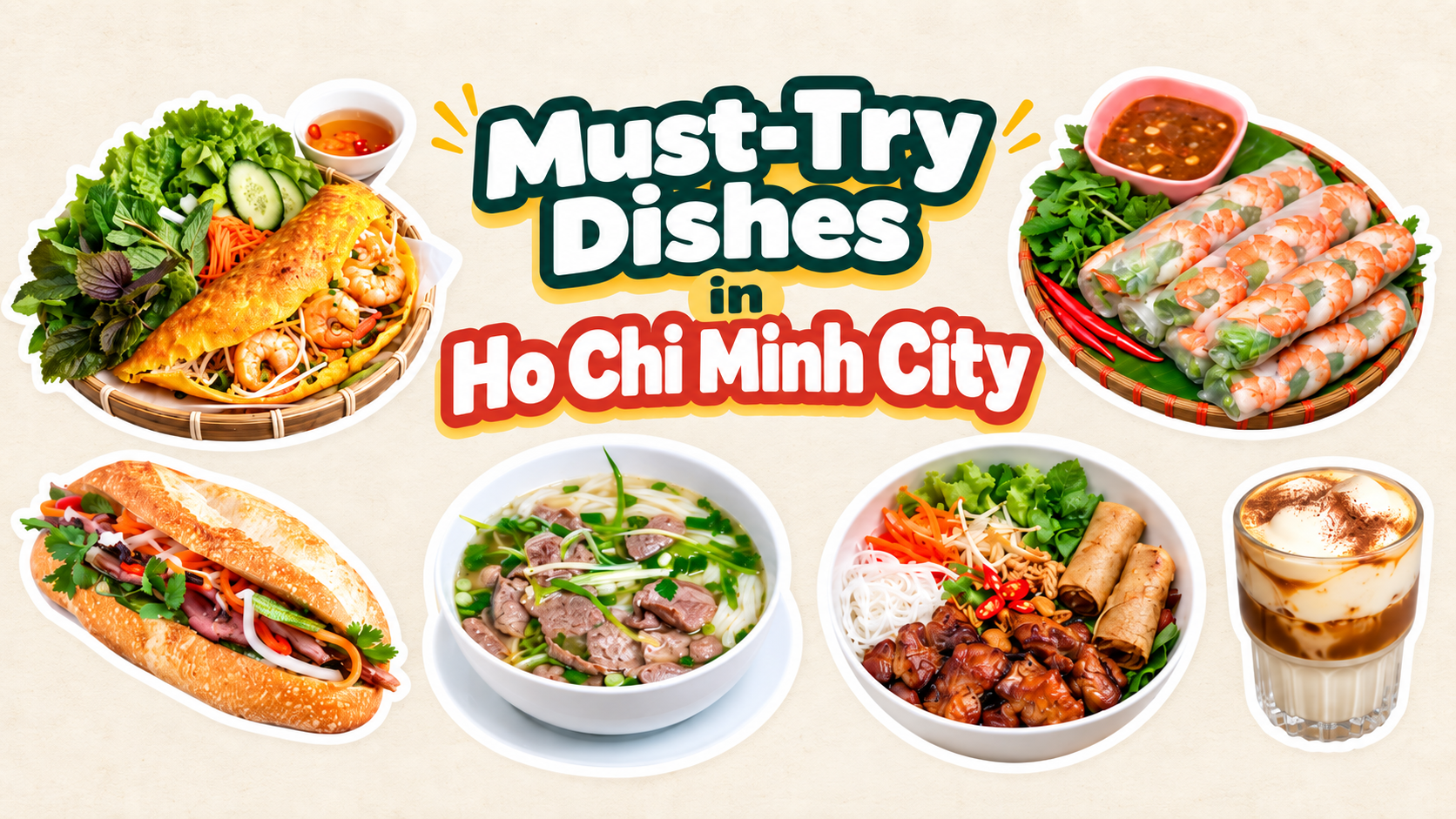
Com Tam - Broken Rice: Com tam is one of the most common meals in Saigon and can be eaten for breakfast, lunch or dinner. A typical plate comes with broken rice, grilled pork chop, shredded pork skin, steamed egg cake, scallion oil, pickled vegetables and fish sauce.
-
Banh Mi: The basic version usually comes with pâté, meat, Vietnamese cold cuts, pickled vegetables, cucumber and fresh herbs. There are also plenty of other fillings to try, including grilled pork, meatballs and different combinations depending on the shop.
-
Hu Tieu: Hu tieu is a classic Southern Vietnamese noodle dish and is especially common in Ho Chi Minh City. You can try hu tieu Nam Vang, beef-ball hu tieu or the simple street-side version known as hu tieu go. Most places serve it either as noodle soup or dry, with the broth on the side.
-
Pho: Southern-style pho usually comes with a plate of bean sprouts, fresh herbs and lime, plus hoisin sauce and chili sauce on the table so you can season the bowl the way you like. There are plenty of beef options too, including rare beef, brisket, fatty brisket, tendon and beef balls.
-
Bun Thit Nuong: Bun thit nuong is a bowl of rice vermicelli topped with grilled pork, fresh vegetables, pickles and peanuts, usually finished with fish sauce. It has a nice mix of sweet, sour and salty flavours, with the smoky grilled pork bringing everything together.
-
Goi Cuon - Fresh Spring Rolls: Goi cuon are fresh rice-paper rolls usually filled with shrimp, pork, rice vermicelli and herbs. They are often served with a hoisin-based sauce or another dipping sauce made by the restaurant. They are fresh rather than fried, so they are perfect when you want something light between bigger meals.
-
Snails and Seafood: Menus can include snails, clams, cockles and different kinds of seafood cooked with tamarind, garlic butter, scallion oil, satay or coconut-based sauces.
-
Ca Phe Sua Da - Vietnamese Iced Coffee: A glass of ca phe sua da, a few small stools on the pavement and the constant flow of traffic in front of you is about as Saigon as a morning can get. The drink is simple: strong Vietnamese coffee, condensed milk and ice. The result is bold, sweet and refreshing, especially in the city's hot weather.
What to Do in Ho Chi Minh City at Night
Ho Chi Minh City is often called a "city that never sleeps", and it is easy to see why. Restaurants, cafés, bars and busy streets stay lively well into the night.
-
Nguyen Hue Walking Street is great if you want an easy evening stroll, city views and some time outdoors.
-
Bui Vien Walking Street is completely different. Expect loud music, busy bars and crowds from evening until late at night. If you are looking for nightlife, this is where most first-time visitors end up.
If you want something quieter, try a rooftop bar, a restaurant with a city view or one of Saigon's many craft beer spots away from the busiest tourist streets.
Ho Chi Minh City Travel Tips for First-Time Visitors
Ho Chi Minh City is fairly easy to explore once you know a few basics. The two things that usually surprise first-time visitors most are the traffic and the huge network of small alleys.
-
Take care in small alleys: Ho Chi Minh City has thousands of alleys, and many split into several smaller lanes that can look very similar. It is easy to lose your sense of direction, so keep your phone map open, save your hotel's address and avoid walking alone into very quiet areas late at night.
-
Avoid rush hour if you can: Traffic is usually busiest when people are heading to and from work. If your schedule is flexible, leave earlier and group nearby attractions together instead of crossing the city several times in one day.
-
Carry some cash: Cards, QR payments and digital payments are widely used in the city, but some small restaurants, street stalls, traditional markets and local shops still prefer cash. Keep some smaller notes with you for simple everyday purchases.
-
Keep an eye on your belongings: Markets, walking streets, nightlife areas and popular attractions can get crowded. Keep your phone, wallet, passport and bag somewhere secure and easy to watch.
-
Check travel time, not just distance: Two places can look close together on a map but take much longer to reach in traffic. Try to explore one part of the city at a time instead of moving from one side of Ho Chi Minh City to the other all day.
Prepare for Your Ho Chi Minh City Trip with Vietnam SkyService
A little planning before you arrive can make your first days in Ho Chi Minh City much easier. Vietnam SkyService helps international travelers with:
-
Private pickup and drop-off at Tan Son Nhat International Airport.
-
Private car rental with driver by the hour, by the day or for a custom itinerary.
-
Vietnam travel SIM cards and eSIMs.
-
Vietnam eVisa support, including urgent visa cases.
Having these services ready before you land means less time sorting out transport, Internet and travel paperwork after arrival, and more time enjoying the city.
This article covers Ho Chi Minh City travel guide, from where to stay and how to get around to what to see, what to eat and a few local tips worth knowing. But Saigon is not only about famous sights. Some of the best memories often come from ordinary moments: a plate of com tam in the morning, an iced coffee by the roadside, a small alley leading into a local neighbourhood or an evening beside the Saigon River as the city lights come on.
For your first visit, do not feel like you need to rush through everything. Slow down, look around and spend a little time enjoying the city the way locals do. That is often when Saigon starts to make the most sense.